Hasselblad 501c Camera 80mm F/2.8 Review (2026): A Spec-Based Look
As an Amazon Associate we earn from qualifying purchases. Links on this page are affiliate links.
This hasselblad 501c camera 80mm f 2 8 review examines a classic medium format system. The listing identifies this unit as the Hasselblad 501c model, finished in black. It pairs with an 80mm f/2.8 Zeiss Planar C lens. These two specifications define the core experience: the 501c body provides a robust mechanical platform, while the 80mm focal length offers a versatile field of view for general photography. The black finish adds a professional aesthetic to the setup. This combination targets users who value precision and tactile control in their imaging workflow, relying on proven optical and mechanical engineering rather than digital features.
What stands out
- Model designation: 501c
- Lens: 80mm f/2.8 Zeiss Planar C
- Color: Black
Who it fits
Good fit for
You should consider this setup if you appreciate manual operation and high-quality optics. The 80mm lens serves as a natural perspective, ideal for portraits or environmental shots. The 501c body offers a reliable mechanical shutter and viewfinder experience. Photographers seeking a durable, well-built camera for studio or controlled outdoor work will find this configuration suitable. The black finish suits professional environments where discretion and a serious appearance matter. This is for those who prioritize image quality and build over convenience.
Who should skip it
Skip this option if you need autofocus capabilities. The 501c is a manual focus camera, requiring you to adjust focus by hand. It lacks digital sensors, LCD screens, or video recording functions. If you rely on instant image review or high-speed continuous shooting, this mechanical system will feel slow. The absence of modern connectivity means you cannot transfer images wirelessly. Users accustomed to fully automatic exposure modes may find the manual operation tedious and less efficient for fast-paced events.
Verdict: This is a precise manual camera for purists who value build quality and optical performance. It suits those who want to control every aspect of the exposure process.
Hasselblad 501c Key Specifications Explained
Model: 501c
This designation identifies the specific camera body within the Hasselblad lineup. The 501c is a classic medium format model known for its reliability and modular design. You should compare this model to other vintage film cameras if you are building a manual system. It is not a mirrorless digital camera, so you must understand the difference in operation and media type when shopping for modern alternatives.
Lens: 80mm f/2.8 Zeiss Planar C
The included lens features an 80mm focal length and a maximum aperture of f/2.8. This combination provides a natural field of view for medium format sensors. The f/2.8 aperture allows for decent low-light performance and background separation. You should compare this lens to modern standard prime lenses to understand the unique rendering and build quality associated with Zeiss optics in a manual mount system.
Brand: Hasselblad
Hasselblad is a renowned manufacturer of high-end medium format cameras. This brand name signals professional-grade build quality and optical excellence. You should consider this brand when prioritizing image quality and system longevity over digital convenience. It represents a significant step away from consumer mirrorless cameras, requiring a different approach to photography and equipment investment.
Color: Black
The camera body is finished in black. This color choice is standard for professional equipment as it reduces glare and looks discreet. You should consider how the physical appearance fits your personal style or professional needs. While color does not affect image quality, it is a practical detail for handling and storage in various lighting conditions compared to other camera finishes.
Design and build details
According to the listing, the Hasselblad 501c camera body is finished in black. This color choice is standard for professional medium format equipment, helping to minimize visual distraction during use. The model designation 501c identifies this specific unit within the broader Hasselblad lineup. You are looking at a classic mechanical design that prioritizes function over modern digital aesthetics. The finish is uniform, suggesting a durable coating suitable for regular handling.
The system pairs with an 80mm f/2.8 Zeiss Planar C lens. This lens is a critical part of the build, defining the camera's focal length and aperture capabilities. The combination of the 501c body and this specific lens creates a modular system. You can swap lenses and accessories, which is typical for this format. The black finish on both the body and the lens barrel ensures a consistent look.
There are no details provided regarding the exact weight or physical dimensions in the current data. You should expect a substantial build given the medium format sensor size. The materials are not explicitly listed, but the model is known for its robust construction. The layout focuses on manual operation. You will need to adjust settings directly on the camera. This design suits photographers who prefer tactile control. The black finish helps hide minor scuffs from daily use in the field.
Setup and Everyday Use Guide
Setting up this Hasselblad 501c involves integrating its modular components. The listing identifies the body as the 501c model. This designation signals a specific mechanical configuration within the Hasselblad system. You will attach the 80mm f/2.8 Zeiss Planar C lens to the body. This lens choice defines your primary field of view. The f/2.8 aperture allows for moderate light gathering. It is suitable for general daylight shooting. The black finish on the camera body is noted in the data. This color helps reduce visual noise. It does not reflect light onto subjects. This is practical for studio or controlled environments. Daily use requires manual operation. You must focus and compose the image manually. The 80mm focal length provides a natural perspective. It is neither wide nor telephoto. This makes it versatile for portraits and general subjects. You need to manage exposure settings yourself. The camera relies on external light meters or your own judgment. The modular design means you can swap lenses and backs. This allows for flexibility in your workflow. However, it also means more parts to handle. You must ensure the lens is securely attached. The 501c model is known for its reliability. This suggests a robust mechanical shutter. You can expect consistent performance over time. The system is built for precision. You should handle the components with care. The black color hides minor scratches. This keeps the camera looking professional. The setup process is straightforward if you know the system. You connect the lens to the mount. You load the film back. You are ready to shoot. The everyday experience is deliberate and slow. This suits photographers who value control. It does not suit those who need speed.
Before You Buy This Classic
Before you buy, verify the lens mount compatibility. The 80mm f/2.8 Zeiss Planar C lens uses the HC mount. Ensure your existing lenses fit this system. Check the light meter battery. These vintage bodies often require specific 1.35V mercury batteries. Find a modern replacement or a battery adapter. Inspect the shutter curtains. Look for pinholes or tears. Clean the viewfinder eyepiece. Dust affects focusing accuracy. Consider a carrying case. This black medium format camera is bulky. Protect it during transport. Compare this to other options in Mirrorless Cameras. The 501c is a film system. It lacks digital sensors. You need film rolls and a dark bag. This is a mechanical tool. It requires manual exposure control. The black finish hides scratches well. It suits collectors and film shooters. It does not fit digital workflows. Check the lens glass for fungus. Haze reduces contrast. Ensure the prism is clean. The 501c model is reliable. But maintenance is key. This guide helps you decide if this classic setup matches your needs. It stands apart from modern mirrorless choices.
Check before you buy
- Verify HC lens mount compatibility with your existing glass.
- Check for light meter battery needs and replacements.
- Inspect shutter curtains for pinholes or tears.
- Clean the viewfinder eyepiece and check for lens fungus.
The product at a glance
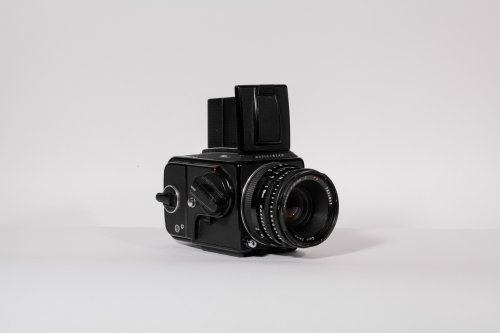
Hasselblad 501c Black Medium Format Camera
Best for: High-resolution film photography
- Color
- Black
- Aperture
- f/2.8
View on Amazon: Hasselblad 501c Black Medium Format Camera Affiliate link
The Hasselblad 501c is a black medium format camera paired with an 80mm f/2.8 Zeiss Planar C lens. This setup delivers high-resolution images with a classic manual focus experience. It suits photographers who prioritize image quality and tactile control over digital convenience. You get a robust build designed for precision work in studio or landscape settings.
Pros
- Medium format sensor for high resolution
- 80mm f/2.8 Zeiss Planar C lens
- Durable black metal body construction
Cons
- Manual focus only
- No built-in digital display
- Requires film loading
Good fit if
- You want high-resolution medium format images
- You prefer manual focus control
- You shoot with film
Skip if
- You need autofocus speed
- You prefer digital workflows
- You want a lightweight setup
Verdict: Hasselblad 501c Medium Format Camera suits serious photographers seeking maximum image quality and tactile control. It fits those committed to film and manual techniques.
Specifications side by side
| Spec | Hasselblad 501c Black Medium Format Camera |
|---|---|
| Color | Black |
| Aperture | f/2.8 |
| Model | 501c |
Frequently asked questions
Is the Hasselblad 501c a digital camera?
No, it is not digital. The 501c is a classic medium format film camera. It uses 120 or 220 roll film to capture images. This mechanical system requires you to load film manually. It does not have a digital sensor or memory card slot. You must develop the film to view your photos.
What lens mount does the 501c use?
The camera uses the Hasselblad V-system mount. The listing specifies an 80mm f/2.8 Zeiss Planar C lens. This lens attaches directly to the 501c body. You can swap other V-system lenses to change your focal length. The mount ensures secure attachment for various professional optics.
Does the 501c have an automatic exposure mode?
No, the 501c is a fully manual camera. It lacks electronic shutter control or automatic exposure settings. You must set the shutter speed and aperture by hand. This design offers precise tactile control over your exposure. It suits photographers who prefer a traditional mechanical shooting experience.
What is the format size of the 501c?
It is a medium format camera. It typically uses 120 film to create 6x6 cm negatives. This larger format captures more detail than standard 35mm film. The 80mm lens provides a natural field of view for this format. You gain significant image quality and resolution from the larger film area.
Is the camera body color black?
Yes, the listed unit is finished in black. This color is standard for professional equipment. It helps minimize visual distraction during use. The black finish is durable and practical for studio or field work. You will find this classic aesthetic on many vintage Hasselblad bodies.
Can I use this camera for portraits?
Yes, it is excellent for portraits. The 80mm f/2.8 lens offers a flattering focal length for medium format. The wide aperture allows for shallow depth of field. You can isolate your subject from the background. The high resolution captures fine skin tones and details effectively.
Does the 501c include a viewfinder?
The listing identifies the body as the 501c. This model typically features a waist-level viewfinder. You look down into the ground glass to compose your shot. This method provides a comfortable shooting angle. You can swap viewfinder accessories if needed for eye-level composition.
Is this camera suitable for beginners?
It is best for serious photographers. The 501c requires manual operation and film handling skills. You must understand exposure settings without electronic aids. It suits those committed to traditional techniques. Beginners may find the learning curve steep compared to modern cameras.