Included Lens in Mirrorless Cameras: What It Is and Is It Worth It?
As an Amazon Associate we earn from qualifying purchases. Links on this page are affiliate links.
Included Lens Explained For Buyers
When you buy a mirrorless camera, the included lens is the optic that comes with the body. It allows you to start shooting immediately. You do not need to buy a separate lens right away. This bundle saves time and simplifies your initial setup. The spec is labeled as an included lens on product pages. You will see specific focal length ranges listed for these kits.
These lenses are usually standard zooms. They cover a versatile range of focal lengths. Common ranges include 16-50mm, 18-55mm, and 24-105mm. Some kits offer wider options like 14-42mm or 15-45mm. Others provide longer reach with 55-210mm or 50-250mm lenses. The 28-70mm option is also available in some bundles. Each range serves different photographic needs.
Understanding included lens explained helps you choose the right kit. A 16-50mm or 18-55mm lens is great for general use. It covers wide-angle to short telephoto shots. This range suits landscapes, portraits, and everyday scenes. The 24-105mm lens offers more flexibility. It handles both wide shots and medium telephoto work. This is useful for travel and events.
Longer lenses like the 55-210mm or 50-250mm are for distant subjects. You can capture wildlife or sports from afar. The 14-42mm lens provides a wide field of view. It is ideal for architecture and interiors. The 28-70mm lens sits in the middle. It balances width and reach for versatile shooting.
Buyers care about this spec because it defines your starting point. A kit lens lets you learn without extra cost. You can upgrade later as your skills grow. Check the focal range on the listing. Match it to the types of photos you want to take. This ensures the camera bundle fits your creative goals from day one.
Common Included Lens Kits
16-50mm Lens
This focal range offers a standard view suitable for everyday shooting. It covers wide-angle landscapes and normal perspectives for portraits. The compact size makes it ideal for travel. You get a lightweight setup that fits easily in a bag. The trade-off is limited reach for distant subjects. You will need to move closer to your subject for tighter shots. The Sony Alpha a6000 uses this lens, providing a solid entry-level choice for those prioritizing portability and speed. It is a practical option for beginners who want a simple, all-in-one package without heavy gear.
24-105mm Lens
This kit provides a versatile zoom range for full-frame systems. It starts at a wide 24mm for landscapes and extends to 105mm for portraits and details. The constant aperture often ensures consistent exposure across the range. You gain significant flexibility for various shooting scenarios. The trade-off is increased size and weight compared to standard kits. The Sony Alpha 7 IV with this lens delivers high-resolution imaging for professionals. It suits photographers who prioritize image quality and video capabilities. This bundle is ideal for those who want a single lens for diverse tasks without switching optics frequently.
18-45mm Lens
This is a compact standard zoom lens designed for APS-C sensors. It offers a natural field of view for general photography. The short focal length range keeps the lens small and light. You benefit from easy handling and minimal bulk. The trade-off is a narrower zoom range, limiting extreme wide or telephoto shots. The Canon EOS R100 includes this lens, offering solid autofocus for beginners. It fits users who prioritize portability and ease of use. This kit is perfect for casual shooters who want a straightforward camera without advanced video features or complex controls.
18-45mm Lens, 55-210mm Lens
This dual-lens kit provides both standard and telephoto coverage. The 18-45mm lens handles everyday shots, while the 55-210mm extends reach for distant subjects. You gain versatility for wildlife, sports, and portraits. The trade-off is carrying two lenses and increased kit weight. The Canon EOS R50 includes this combination, suitable for travelers needing two lenses in one package. It allows you to cover wide angles and telephoto ranges. You get versatility without carrying multiple heavy lenses separately. This setup is practical for varied shooting conditions where changing lenses is inconvenient.
16-50mm Lens, 50-250mm Lens
This bundle covers wide-angle to super-telephoto ranges in one kit. The 16-50mm lens is great for landscapes and general use. The 50-250mm lens provides significant reach for distant subjects. You gain extensive flexibility for diverse photography needs. The trade-off is the bulk of carrying two lenses. The Nikon Z50 with these lenses fits users wanting wide and telephoto reach in one package. It suits travelers who need a rugged, weather-resistant body with versatile optics. This combination covers a vast range of shooting scenarios. You get a powerful kit for those who need extensive zoom capabilities without buying extras.
18-55mm Lens
This is a classic standard zoom lens found in many kits. It covers a versatile range from wide to short telephoto. You can use it for landscapes, portraits, and general photography. The lens is typically lightweight and affordable. The trade-off is often a variable aperture and basic build quality. The Canon EOS Rebel T7 includes this lens, though it is a DSLR. For mirrorless users, this lens type offers a familiar and reliable starting point. It provides a good balance of coverage and portability. You get a practical tool for learning photography basics without significant investment or bulk.
Who Needs Included Lenses
Who needs it
You need this spec if you are a beginner or casual shooter. The listed lenses cover essential focal lengths for most daily situations. The 16-50mm and 24-105mm options provide versatile range for landscapes, portraits, and general snapshots. You start shooting immediately without researching glass. This simplifies your purchase decision. Travelers benefit from the compact 14-42mm and 15-45mm kits. They fit easily in bags. The 18-55mm and 18-45mm lenses offer standard views that are easy to handle. If you want a lightweight setup for vacations or family events, these bundles reduce complexity. You avoid the hassle of buying separate gear. The included optics are sufficient for learning exposure and composition. You can upgrade later when you identify specific needs. This path minimizes initial cost and effort while providing a functional starting point for your photography journey.
Who can skip it
You can ignore this spec if you are a professional or serious enthusiast. The included lenses often have slower apertures and basic construction. They may not meet the demands of studio work or low-light conditions. Professionals typically prefer prime lenses for sharpness or fast zooms for specific focal lengths. The 55-210mm and 50-250mm telephoto options are good for wildlife but lack the speed of dedicated telephotos. If you prioritize image quality over convenience, buy the body only. You can select lenses based on your specific genre. Portrait photographers might need faster apertures for background blur. Sports shooters require high-speed autofocus and larger apertures. The bundled kits are too generic for these specialized tasks. Focus on sensor size and lens mount compatibility instead. Invest in glass that matches your creative vision. The included optic is just a placeholder until you find your preferred tools.
Mirrorless Lens Glossary
Included Lens
The optic bundled with the camera body. It allows immediate shooting without purchasing separate glass. This setup simplifies your initial gear list and reduces upfront complexity.
Sensor Format
The physical size of the image sensor. Common formats include APS-C and Micro Four Thirds. Larger sensors generally capture more light and detail in low light conditions.
Focal Length
The lens zoom range, measured in millimeters. A 16-50mm lens offers a standard view. It covers wide landscapes and normal portraits for versatile everyday shooting scenarios.
Video Resolution
The clarity of recorded footage. Common standards are 1080p and 4K. Higher resolutions provide sharper images but require more storage space and processing power from your device.
Image Resolution
The number of pixels in a photo. Higher megapixel counts allow for larger prints and more cropping flexibility. It determines the level of fine detail in your images.
Connectivity
How the camera links to other devices. Features include Wi-Fi and Bluetooth. These allow you to transfer images to your phone or control the camera remotely.
Intended Use
The primary purpose of the camera. Options include travel, sports, or studio work. Your choice dictates the necessary features like speed, durability, or lens versatility.
Color Science
How the camera processes color data. Different brands produce distinct color tones. This affects the look of your photos straight out of the camera without editing.
Quick picks
| # | Product | Best for | Price |
|---|---|---|---|
| 1 | Sony Alpha a6000 24.3MP APS-C Camera | beginners seeking a lightweight travel setup | Check price of Sony Alpha a6000 24.3MP APS-C Camera on Amazon |
| 2 | Sony Alpha 7 IV with 24-105mm F4 Lens | Full-frame photographers needing versatility | Check price of Sony Alpha 7 IV with 24-105mm F4 Lens on Amazon |
| 3 | Canon EOS R100 Renewed Lens Kit | Beginners wanting a compact starter kit | Check price of Canon EOS R100 Renewed Lens Kit on Amazon |
| 4 | Canon EOS R50 with 18-45mm and 55-210mm Lenses | travelers needing two lenses in one kit | Check price of Canon EOS R50 with 18-45mm and 55-210mm Lenses on Amazon |
| 5 | Nikon Z 50 with 16-50mm and 50-250mm Lenses | travelers needing wide and telephoto reach in one kit | Check price of Nikon Z 50 with 16-50mm and 50-250mm Lenses on Amazon |
| 6 | Canon EOS Rebel T7 with 18-55mm Lens | beginners preferring DSLR ergonomics | Check price of Canon EOS Rebel T7 with 18-55mm Lens on Amazon |
Our 6 picks

Sony Alpha a6000 24.3MP APS-C Camera
Best for: beginners seeking a lightweight travel setup
- Included Lens
- 16-50mm Lens (what this guide is about)
- Sensor Format
- APS-C
- Sensor Resolution
- 24 MP
- Burst Shooting Speed
- Up to 11 FPS
- Autofocus System
- Hybrid AF (179 phase / 25 contrast)
- ISO Sensitivity
- ISO 100-25600 (expandable to 51200)
View on Amazon: Sony Alpha a6000 24.3MP APS-C Camera Affiliate link
This kit pairs a 24.3 MP APS-C sensor with a 16-50mm zoom lens. The camera uses a hybrid autofocus system with 179 phase-detection points for fast tracking. It shoots up to 11 FPS and offers an ISO range of 100 to 25600. You get a compact body that fits in small bags. It suits beginners who want a lightweight setup for travel or daily snapshots.
Pros
- 24.3 MP APS-C CMOS sensor
- 16-50mm power zoom lens included
- 179-point hybrid autofocus system
- Up to 11 FPS continuous shooting
- ISO 100-25600 expandable to 51200
Cons
- APS-C sensor is smaller than full-frame models
- Lens has a narrow 16-50mm focal range
- No in-body image stabilization listed
Good fit if
- You want a lightweight mirrorless camera for travel
- You need fast autofocus for moving subjects
- You prefer a compact kit with one lens
Skip if
- You require full-frame sensor depth of field
- You need a long telephoto zoom range
- You want a camera with a built-in viewfinder
Verdict: Sony a6000 with 16-50mm Lens is a solid entry-level choice for shooters who prioritize portability and speed over maximum image quality or lens versatility.

Sony Alpha 7 IV with 24-105mm F4 Lens
Best for: Full-frame photographers needing versatility
- Included Lens
- 24-105mm Lens (what this guide is about)
- Sensor Format
- Full-frame
- Sensor Resolution
- 33MP
- Video Resolution
- 4K 60p
- Image Processor
- BIONZ XR
- Color
- Black
View on Amazon: Sony Alpha 7 IV with 24-105mm F4 Lens Affiliate link
This kit pairs the Sony Alpha 7 IV with a 24-105mm F4 G lens. It features a 33MP full-frame sensor and the BIONZ XR processor. The lens offers a constant F4 aperture and optical stabilization. You get 4K 60p video recording with 10-bit color. This setup suits photographers who need a versatile zoom range and high image quality without switching lenses.
Pros
- 33MP full-frame Exmor R sensor
- Constant F4 maximum aperture
- 4K 60p 10-bit video recording
- BIONZ XR image processor
- G-lens design with ED glass
Cons
- Full-frame body is bulkier than APS-C options
- Constant F4 aperture limits low-light performance compared to faster lenses
- Included lens is a standard zoom, not a super-telephoto
Good fit if
- You want a high-resolution full-frame sensor
- You need a versatile 24-105mm zoom range
- You shoot 4K video at 60p
Skip if
- You prefer a compact APS-C camera
- You need a super-telephoto lens for wildlife
- You want a constant F2.8 aperture
Verdict: Sony A7 IV with 24-105mm Lens delivers high-resolution imaging and versatile focal length for professionals who prioritize image quality and video capabilities in a single kit.
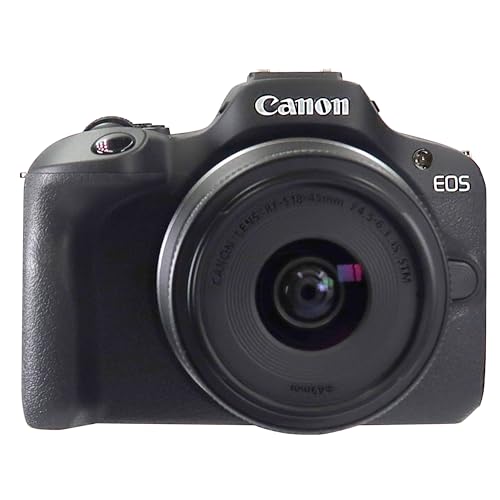
Canon EOS R100 Renewed Lens Kit
Best for: Beginners wanting a compact starter kit
- Included Lens
- 18-45mm Lens (what this guide is about)
- Sensor Format
- APS-C
- Sensor Resolution
- 24.1MP
- Burst Shooting Speed
- 6.5 fps
- Autofocus System
- Dual Pixel CMOS AF
- Video Resolution
- 4K (cropped) at 24 fps
View on Amazon: Canon EOS R100 Renewed Lens Kit Affiliate link
This kit pairs the Canon EOS R100 with an 18-45mm lens. It uses a 24.1MP APS-C sensor and DIGIC 8 processor. You get Dual Pixel CMOS AF for reliable focusing. The camera records 4K video at 24 fps. It includes built-in Wi-Fi and Bluetooth. This setup suits beginners who want a compact entry into mirrorless photography.
Pros
- 24.1MP APS-C CMOS sensor for detailed images
- Dual Pixel CMOS AF with eye and face detection
- 4K video capture at 24 fps
- Built-in Wi-Fi and Bluetooth connectivity
Cons
- 4K video is cropped
- 4K frame rate limited to 24 fps
- Heavier than comparable mirrorless bodies
Good fit if
- You want a lightweight kit for casual shooting
- You need reliable autofocus for portraits
- You prefer wireless transfer to your phone
Skip if
- You require uncropped 4K video
- You need high frame rate 4K recording
- You want a full-frame sensor
Verdict: Canon EOS R100 with RF-S 18-45mm Lens offers solid autofocus and connectivity for beginners. It fits those who prioritize portability and ease of use over advanced video features.

Canon EOS R50 with 18-45mm and 55-210mm Lenses
Best for: travelers needing two lenses in one kit
- Included Lens
- 18-45mm Lens, 55-210mm Lens (what this guide is about)
- Sensor Format
- APS-C
- Sensor Resolution
- 24.2 Megapixel
- Burst Shooting Speed
- 15 fps
- Autofocus System
- Dual Pixel CMOS AF II, 651 AF zones
- Video Resolution
- 4K at up to 30 fps
View on Amazon: Canon EOS R50 with 18-45mm and 55-210mm Lenses Affiliate link
This Canon EOS R50 kit includes the RF-S 18-45mm lens and a 55-210mm telephoto lens. It features a 24.2-megapixel APS-C sensor and DIGIC X processor. You get 4K video at 30 fps and autofocus covering 100% of the frame. The body weighs 1.7 pounds. This setup suits you if you want two lenses for general shooting and travel without carrying heavy gear.
Pros
- Includes both an 18-45mm standard lens and a 55-210mm telephoto lens
- Dual Pixel CMOS AF II covers 100% of the frame with 651 zones
- Shoots 4K video oversampled from 6K at 30 fps
- Lightweight body weighs only 1.7 pounds
Cons
- Maximum burst speed is 15 fps, lower than many competitors
- APS-C sensor is smaller than full-frame options
- Standard lens has a narrow f/4.5-6.3 aperture range
Good fit if
- You want two lenses in one purchase
- You prioritize lightweight travel gear
- You need reliable autofocus for people and animals
Skip if
- You require full-frame image quality
- You need burst speeds above 15 fps
- You prefer a wider aperture on the standard lens
Verdict: The Canon EOS R50 with RF-S 18-45mm Lens is a compact system for you if you value portability and dual-lens versatility over high-speed burst shooting or full-frame sensors.

Nikon Z 50 with 16-50mm and 50-250mm Lenses
Best for: travelers needing wide and telephoto reach in one kit
- Included Lens
- 16-50mm Lens, 50-250mm Lens (what this guide is about)
- Sensor Format
- DX-Format
- Sensor Resolution
- 20.9 MP
- Autofocus System
- 209-point hybrid autofocus
- Video Resolution
- UHD 4K, Full HD
- ISO Sensitivity
- ISO 100-51200 (exp. to ISO 204800)
View on Amazon: Nikon Z 50 with 16-50mm and 50-250mm Lenses Affiliate link
The Nikon Z50 is a DX-format mirrorless camera featuring a 20.9MP sensor and EXPEED 6 processor. It includes two lenses: a 16-50mm kit lens and a 50-250mm telephoto zoom. The body offers weather-sealing and a flip-down touchscreen LCD. This setup suits you if you want a versatile range from wide-angle to super-telephoto in a single purchase.
Pros
- Includes both 16-50mm and 50-250mm lenses for broad focal coverage
- 209-point hybrid autofocus system with Eye Detection AF
- Weather-sealed magnesium alloy body for durability
- 3.2-inch flip-down touchscreen LCD for flexible framing
Cons
- Heavier build at 5.06 pounds compared to lighter APS-C competitors
- DX-format sensor limits resolution compared to full-frame options
- No mention of built-in Wi-Fi or Bluetooth connectivity
Good fit if
- You need a long telephoto reach without buying extra lenses
- You shoot in varied weather conditions and want sealed gear
- You prefer an optical viewfinder for bright outdoor shooting
Skip if
- You require a full-frame sensor for shallow depth of field
- You prioritize a lightweight, pocketable camera body
- You need native smartphone connectivity for instant sharing
Verdict: Nikon Z50 with 16-50mm and 50-250mm Lenses fits you if you want a single kit that covers wide to super-telephoto ranges with a rugged, weather-resistant body.

Canon EOS Rebel T7 with 18-55mm Lens
Best for: beginners preferring DSLR ergonomics
- Included Lens
- 18-55mm Lens (what this guide is about)
- Sensor Resolution
- 24.1 Megapixel
- Autofocus System
- 9-point AF system and AI Servo AF
- ISO Sensitivity
- ISO 100 to 6400 (expandable to 12800)
- Color
- Black
- Dimensions
- 5.1 × 4 × 3.1 inches
View on Amazon: Canon EOS Rebel T7 with 18-55mm Lens Affiliate link
This is a Canon EOS Rebel T7 DSLR camera, not mirrorless. It features a 24.1-megapixel CMOS sensor and includes an 18-55mm lens. The ISO range extends to 6400, expandable to 12800. It has a 9-point autofocus system and built-in Wi-Fi. You should note this is a DSLR, so it does not fit guides focused strictly on mirrorless interchangeable lens cameras.
Pros
- 24.1 Megapixel CMOS sensor for detailed images
- ISO 100 to 6400 (expandable to 12800)
- 9-point AF system with AI Servo AF
- Built-in Wi-Fi and NFC for sharing
Cons
- This is a DSLR, not a mirrorless camera
- Heavier at 2.5 pounds compared to mirrorless bodies
- 9-point autofocus system is less advanced than modern mirrorless arrays
Good fit if
- You want a traditional optical viewfinder experience
- You need a 24.1MP sensor for high resolution
- You prefer DSLR ergonomics and battery life
Skip if
- You strictly require a mirrorless camera body
- You need advanced phase-detect autofocus coverage
- You prioritize a lightweight and compact form factor
Verdict: Canon EOS Rebel T7 DSLR with 18-55mm Lens is a capable DSLR for beginners who prefer optical viewfinders, but it does not belong in a list of mirrorless cameras.
Specifications side by side
| Spec | Sony Alpha a6000 24.3MP APS-C Camera | Sony Alpha 7 IV with 24-105mm F4 Lens | Canon EOS R100 Renewed Lens Kit | Canon EOS R50 with 18-45mm and 55-210mm Lenses | Nikon Z 50 with 16-50mm and 50-250mm Lenses | Canon EOS Rebel T7 with 18-55mm Lens |
|---|---|---|---|---|---|---|
| Sensor Format | APS-C | Full-frame | APS-C | APS-C | DX-Format | not stated |
| Sensor Resolution | 24 MP | 33MP | 24.1MP | 24.2 Megapixel | 20.9 MP | 24.1 Megapixel |
| Burst Shooting Speed | Up to 11 FPS | not stated | 6.5 fps | 15 fps | not stated | not stated |
| Autofocus System | Hybrid AF (179 phase / 25 contrast) | not stated | Dual Pixel CMOS AF | Dual Pixel CMOS AF II, 651 AF zones | 209-point hybrid autofocus | 9-point AF system and AI Servo AF |
| Video Resolution | not stated | 4K 60p | 4K (cropped) at 24 fps | 4K at up to 30 fps | UHD 4K, Full HD | not stated |
| ISO Sensitivity | ISO 100-25600 (expandable to 51200) | not stated | not stated | not stated | ISO 100-51200 (exp. to ISO 204800) | ISO 100 to 6400 (expandable to 12800) |
| Image Processor | not stated | BIONZ XR | DIGIC 8 | DIGIC X | EXPEED 6 | not stated |
| Configuration | not stated | not stated | Lens Kit | Lens Kit | not stated | not stated |
| Included Lens | 16-50mm Lens | 24-105mm Lens | 18-45mm Lens | 18-45mm Lens, 55-210mm Lens | 16-50mm Lens, 50-250mm Lens | 18-55mm Lens |
| Resolution | 24.3 MP | not stated | not stated | not stated | not stated | not stated |
| Intended Use | not stated | not stated | not stated | Vlogging | not stated | not stated |
| Color | Black | Black | Black | Black | Black | Black |
| Focal Length | 50mm | not stated | not stated | not stated | 50mm | not stated |
| Lens Mount | not stated | Sony E-Mount | not stated | Canon RF Mount | Nikon Z Mount | not stated |
| Lens Type | Zoom | Zoom | not stated | not stated | not stated | not stated |
| Dimensions | 6.25 × 5 × 5 inches | not stated | 2.71 × 4.28 × 3.37 inches | 2.71 × 4.58 × 3.37 inches | 3.68 × 2.36 × 4.98 inches | 5.1 × 4 × 3.1 inches |
| Weight | 1.68 pounds | not stated | 2.1 pounds | 1.7 pounds | 5.06 pounds | 2.6 pounds |
| Size | 45.1mm x 120mm x 66.9mm | not stated | not stated | not stated | not stated | not stated |
| Model | ILCE6000L/B-cr | Alpha 7 IV | Canon EOS R100 | 5811C022 | 1632 | 2727C002 |
Frequently asked questions
Does an included lens affect image quality?
Yes, the lens optic directly impacts sharpness and distortion. For example, the Sony Alpha a6000 uses a 24.3 MP APS-C sensor with a 16-50mm lens. This combination prioritizes portability and speed over maximum image quality. You get a solid entry-level result for everyday shooting without needing extra glass immediately.
How versatile is a 24-105mm included lens?
A 24-105mm lens offers high versatility for various subjects. The Sony Alpha 7 IV includes this lens with a full-frame sensor. It delivers high-resolution imaging suitable for professionals. You can capture wide landscapes and tighter portraits without changing lenses, making it ideal for those who prioritize image quality and video in a single kit.
Is a kit with two lenses better than one?
Having two lenses expands your creative range significantly. The Canon EOS R50 kit includes both an 18-45mm and a 55-210mm lens. This setup provides compact system versatility for travelers. You get wide-angle coverage and telephoto reach in one bundle, fitting those who value portability and dual-lens options over high-speed burst shooting.
What focal length is best for travel?
Standard zoom ranges like 16-50mm or 18-45mm are ideal for travel. The Nikon Z50 kit includes a 16-50mm lens for wide shots and a 50-250mm lens for distant subjects. This rugged, weather-resistant body covers wide to super-telephoto ranges. You get a single kit that handles most travel scenarios without carrying multiple heavy lenses.
Are included lenses suitable for beginners?
Yes, included lenses are designed for ease of use. The Canon EOS R100 with an 18-45mm lens offers solid autofocus for beginners. It fits users who prioritize portability and simplicity. You get a compact starter kit that allows immediate shooting without navigating complex manual settings or buying additional equipment right away.
Do included lenses work with all camera mounts?
No, lenses must match the camera mount type. The Sony Alpha 7 IV uses a Sony E-Mount for its 24-105mm lens. The Nikon Z50 uses a Nikon Z Mount for its included optics. You must ensure the lens mount matches your camera body to achieve proper functionality and electronic communication between the lens and sensor.