LAOWA 24mm f/14 2X Macro vs LAOWA 10mm f/2.8 Zero-D AF (2026): Key Differences
As an Amazon Associate we earn from qualifying purchases. Links on this page are affiliate links.
You are comparing the laowa 24mm f 14 2x macro vs 10mm f 2 8 zero d full frame lenses for Sony E-Mount. Both are specialized Laowa optics designed for full-frame cameras, but they serve very different purposes. One is a dedicated macro tool with a probe design, while the other is a wide-angle prime for landscapes. You need to decide which optical approach fits your shooting style.
Key differences
| Aspect | Laowa 24mm f/14 2X Macro Probe | Laowa 10mm f/2.8 Zero-D AF |
|---|---|---|
| Focal Length | 24mm | 10mm |
| Maximum Aperture | f/14 | f/2.8 |
| Focus Type | Manual Focus | Auto Focus |
| Weight | 5.11 pounds | 14.9 ounces |
| Special Features | Built-in ring light | Zero-D distortion control |
Which one should you choose?
Choose Laowa 24mm f/14 2X Macro Probe if
- You need extreme close-up detail with a 2x magnification ratio.
- You want a deep depth of field for product or insect photography.
- You require a built-in light source for tight spaces.
Choose Laowa 10mm f/2.8 Zero-D AF if
- You shoot landscapes or architecture requiring a 130.4-degree view.
- You prefer autofocus for faster workflow and video work.
- You want a lightweight lens under 15 ounces for travel.
Verdict: The 24mm f/14 is a niche tool for macro specialists who value working distance and depth of field. The 10mm f/2.8 is a versatile wide-angle lens for general photography and video. Choose based on whether you need macro detail or ultra-wide perspective.
Laowa 24mm vs 10mm Lens Comparison
Focal Length and View
The Laowa 24mm f/14 2X Macro Probe offers a 24mm focal length, providing a distinct wide-angle field of view that is ideal for macro photography. This allows you to capture unique perspectives while getting close to small subjects. In contrast, the Laowa 10mm f/2.8 Zero-D AF delivers a remarkable 10mm focal length with a 130.4-degree angle of view. This ultra-wide perspective exaggerates the sense of space, making it perfect for dramatic landscape shots. The 10mm lens helps you capture magnificent scenes with significant impact in a single image, whereas the 24mm is tailored for detailed close-ups with a narrower but still wide perspective.
Autofocus Capability
Autofocus is a major differentiator between these two specialized lenses. The Laowa 10mm f/2.8 Zero-D AF features built-in autofocus, allowing you to focus quickly and accurately without manual intervention. This is particularly useful for dynamic subjects or when you need to react fast to changing compositions. On the other hand, the Laowa 24mm f/14 2X Macro Probe relies entirely on manual focus. It includes a precise focus ring to enable accurate focusing, which is essential for macro work where autofocus can be unreliable. If you prefer full control over your focus point, the manual lens offers precision, but the 10mm provides convenience and speed for general shooting.
Minimum Focusing Distance
Both lenses allow you to get close to your subjects, but in different ways. The Laowa 24mm f/14 2X Macro Probe achieves a minimum working distance of just 0.7 inches, or 20mm. This extremely short distance lets you capture incredible details of small subjects that are usually hard to reach, leveraging its 2x magnification for true macro shots. The Laowa 10mm f/2.8 Zero-D AF has a minimum focusing distance of 12cm. While this is close, it does not offer the same extreme proximity as the macro probe. However, the 10mm lens allows you to create interesting wide-angle macro-style shots with nice separation between the object and background, offering a different creative approach to close-up photography.
Weight and Portability
Portability varies significantly between these two tools. The Laowa 10mm f/2.8 Zero-D AF is designed to be lightweight and portable, weighing only 14.9 ounces. It is also only 7cm long, providing desired portability for photographers and videographers who want to explore and travel with ease. The Laowa 24mm f/14 2X Macro Probe is considerably heavier, weighing 5.11 pounds. This substantial weight difference reflects the specialized nature of the macro probe, which includes a built-in ring light and robust construction. If you prioritize ease of carrying and travel, the 10mm lens is the clear choice, while the 24mm is a heavier, dedicated tool.
Illumination Features
Lighting is handled differently by each lens. The Laowa 24mm f/14 2X Macro Probe features a built-in ring light that provides even and adjustable illumination. This ensures your macro shots are well-lit, even in the tightest spaces, and it is USB powered. This feature is crucial for macro photography where adding external lighting can be difficult due to the short working distance. The Laowa 10mm f/2.8 Zero-D AF does not include any built-in illumination features. You will need to rely on ambient light or external lighting solutions for this lens. If you often shoot in low-light environments or need consistent lighting for detailed macro work, the 24mm probe offers a significant advantage with its integrated light.
Which Laowa lens fits your needs
You need extreme close-up detail
This lens offers 2x magnification at a 0.7-inch working distance. The f/14 aperture provides exceptional depth of field for sharp macro shots. You get built-in USB ring light for even illumination in tight spaces. Manual focus ensures precise control over your subject details.
You want ultra-wide landscape shots
This lens delivers a 130.4-degree angle of view for dramatic impact. It features Zero-D optics to suppress distortion from corner to corner. The autofocus system allows for quick operation. You can get close with a 12cm minimum focusing distance for creative wide-angle perspectives.
You prioritize portability and weight
Weighing only 14.9 ounces, this lens is significantly lighter than the macro alternative. Its compact 7cm length makes it easy to carry during travel. You benefit from a lightweight design without sacrificing the wide-angle capabilities required for landscape or architectural photography on your Sony FE camera.
The products compared
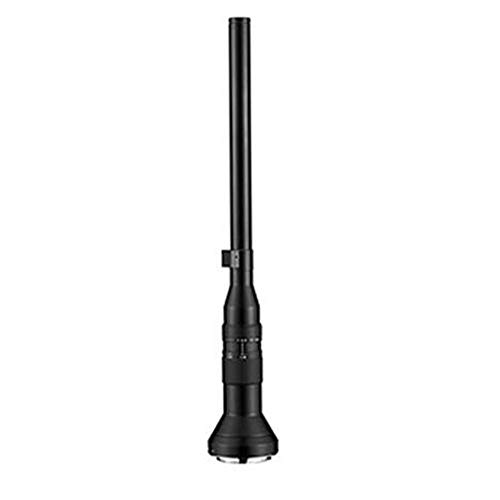
Laowa 24mm f/14 2X Macro Probe
Best for: Sony FE macro photography with built-in lighting
- Lens Mount
- Sony FE
- Focal Length
- 24mm
- Maximum Aperture
- f/14
- Focus Type
- Manual Focus
- Lens Type
- Macro
- Weight
- 5.11 pounds
View on Amazon: Laowa 24mm f/14 2X Macro Probe Affiliate link
This Laowa lens is a specialized macro tool for Sony FE cameras. It features a 24mm focal length and 2x magnification. The f/14 maximum aperture provides deep depth of field. A built-in USB-powered ring light illuminates subjects. You get a minimum working distance of 0.7 inches. The lens weighs 5.11 pounds and requires manual focus.
Pros
- 2x magnification for unique macro perspectives
- Built-in adjustable ring light for illumination
- 0.7-inch minimum working distance
- f/14 aperture for exceptional depth of field
Cons
- Manual focus only
- Heavy at 5.11 pounds
- Limited to Sony FE mount
Good fit if
- You need close-up details in tight spaces
- You shoot macro subjects requiring even lighting
- You prefer manual control over autofocus
Skip if
- You need automatic focusing capabilities
- You want a lightweight travel lens
- You use camera mounts other than Sony FE
Verdict: Laowa 24mm f/14 2X Macro Sony FE is a heavy, manual-focus macro lens with a built-in light. It fits photographers who need extreme close-ups on Sony FE bodies and do not mind the weight.

Laowa 10mm f/2.8 Zero-D AF
Best for: Ultra-wide landscape and architectural photography
- Lens Mount
- Sony FE
- Focal Length
- 10mm
- Maximum Aperture
- f/2.8
- Sensor Format
- Full-Frame
- Focus Type
- Auto Focus
- Minimum Focusing Distance
- 12cm
View on Amazon: Laowa 10mm f/2.8 Zero-D AF Affiliate link
This ultra-wide lens delivers a 130.4-degree angle of view on full-frame Sony FE cameras. Its f/2.8 maximum aperture and 15-element optical design help maintain sharpness with near-zero distortion. The compact build weighs just 14.9 ounces, making it easy to carry. You can focus as close as 12cm for wide-angle macro shots. It suits travelers and landscape photographers who need a lightweight, distortion-free wide perspective.
Pros
- 130.4-degree ultra-wide angle of view
- Near-zero distortion with 15 elements in 9 groups
- Lightweight at 14.9 ounces and 7cm long
- 12cm minimum focusing distance for wide macro shots
Cons
- Aperture is limited to f/2.8 maximum
- No weather sealing mentioned in specifications
- Fixed focal length with no zoom range
Good fit if
- You need an ultra-wide perspective for landscapes
- You want to minimize distortion in architectural shots
- You prioritize a lightweight lens for travel
Skip if
- You require a fast f/1.4 aperture for low light
- You need zoom flexibility for varied framing
- You shoot in harsh weather without protection
Verdict: Laowa 10mm f/2.8 Zero-D Full-Frame is a compact ultra-wide lens for Sony FE users who value sharpness and portability. It fits photographers who need distortion-free wide shots without carrying heavy gear.
Specifications side by side
| Spec | Laowa 24mm f/14 2X Macro Probe | Laowa 10mm f/2.8 Zero-D AF |
|---|---|---|
| Lens Mount | Sony FE | Sony FE |
| Focal Length | 24mm | 10mm |
| Maximum Aperture | f/14 | f/2.8 |
| Sensor Format | not stated | Full-Frame |
| Focus Type | Manual Focus | Auto Focus |
| Minimum Focusing Distance | not stated | 12cm |
| Color | not stated | Black |
| Aperture | not stated | f/2.8 |
| Lens Type | Macro | not stated |
| Weight | 5.11 pounds | 14.9 ounces |
| Dimensions | not stated | 7.87 × 30.3 × 30.3 inches |
| Model | VE2414FE | VE1028AFFE |
Frequently asked questions
Can the Laowa 24mm f/14 2X Macro focus on infinity?
No, this lens is designed strictly for macro work. It features a 2x magnification ratio with a minimum working distance of 0.7 inches. The f/14 aperture ensures deep depth of field for close subjects. It does not include infinity focus capabilities, making it unsuitable for landscapes or general photography.
Is the Laowa 10mm f/2.8 Zero-D AF suitable for video?
Yes, this lens supports autofocus, which allows for smooth subject tracking during video recording. It delivers distortion-free images across the full-frame sensor. The compact design and f/2.8 aperture make it a practical choice for videographers who need portability and sharp, wide-angle footage without complex manual adjustments.
How heavy is the Laowa 24mm f/14 2X Macro compared to the 10mm?
The 24mm macro lens weighs 5.11 pounds, while the 10mm autofocus lens weighs only 14.9 ounces. The macro lens is significantly heavier due to its complex optical design and built-in lighting system. The 10mm lens is much lighter, making it easier to carry for extended shooting sessions.
Does the Laowa 10mm f/2.8 Zero-D AF have built-in lighting?
No, the 10mm f/2.8 Zero-D AF does not include any built-in lighting. It relies on external light sources or camera flash. In contrast, the 24mm macro lens features a built-in USB ring light to illuminate subjects at close range. The 10mm lens focuses on optical clarity and wide coverage.
Which lens is better for architectural photography?
The Laowa 10mm f/2.8 Zero-D AF is better for architecture. It is an ultra-wide lens with zero distortion, ideal for capturing buildings without curved lines. The 24mm macro lens is specialized for extreme close-ups and lacks the field of view needed for wide architectural shots. Use the 10mm for structure and space.
Does the Laowa 24mm f/14 2X Macro have autofocus?
No, the 24mm f/14 2X Macro is a manual-focus lens. It requires you to adjust focus by hand for precise macro framing. The 10mm f/2.8 Zero-D AF, however, features autofocus for quicker shooting. Choose the 24mm if you prioritize magnification and lighting over automatic focusing speed.
What mount do these Laowa lenses use?
Both lenses use the Sony E-Mount. They are designed specifically for Sony full-frame mirrorless cameras. You must ensure your camera body has the E-Mount interface to use either lens. They are not compatible with other camera brands without an adapter, and even then, functionality may vary.