Sony E-Mount vs Nikon Z Mount Mirrorless Cameras in 2026: Key Differences
As an Amazon Associate we earn from qualifying purchases. Links on this page are affiliate links.
When comparing the Sony E-mount vs Nikon Z-mount mirrorless camera options, you face two distinct ecosystems. Both systems offer advanced autofocus and high-speed shooting capabilities for modern photography. The primary difference lies in their sensor formats and target configurations. One uses an APS-C sensor with an included lens, while the other features a full-frame body with no lens attached. These specs define their respective strengths in portability versus professional-grade resolution.
Key differences
| Aspect | Sony Alpha a6400 with 16-50mm Lens | Nikon Z 9 Full-Frame 45.7MP Camera Body |
|---|---|---|
| Lens Mount | Sony E-Mount | Nikon Z Mount |
| Sensor Format | APS-C | FX-Format (Full-Frame) |
| Configuration | With 16-50mm Lens | Body Only |
| Sensor Resolution | 20.1MP | 45.7MP |
| Video Resolution | 4K | 8K/30p |
| Weight | 10.3 ounces | 5.4 pounds |
Which one should you choose?
Choose Sony Alpha a6400 with 16-50mm Lens if
- You want a compact, lightweight system with an included lens for immediate use.
- You prioritize portability and lower weight for travel or casual shooting.
- You need a system with a tiltable LCD screen for vlogging or self-recording.
Choose Nikon Z 9 Full-Frame 45.7MP Camera Body if
- You require high-resolution stills and professional-grade 8K video capabilities.
- You prefer a full-frame sensor for superior low-light performance and depth of field.
- You need advanced subject detection for tracking fast-moving animals or vehicles.
Verdict: Choose the Sony a6400 if you need a portable, ready-to-shoot kit with a smaller footprint. The Nikon Z 9 is the better choice for professionals who need maximum resolution, speed, and video quality. Your decision depends on whether you value compactness or flagship performance.
Sony E-Mount vs Nikon Z Mount
sensor format
The Sony Alpha a6400 uses an APS-C sensor format with a 20.1MP stacked back-illuminated Exmor RS CMOS sensor. This smaller sensor size contributes to the camera's compact nature and lighter weight. In contrast, the Nikon Z 9 features a much larger FX-Format sensor with a 45.7MP resolution. The FX-Format sensor typically offers greater dynamic range and better low-light performance due to its larger surface area. You will notice a significant difference in image quality potential between the 20.1MP APS-C sensor and the 45.7MP full-frame sensor. The Nikon provides higher resolution details, while the Sony offers a more portable solution with its smaller sensor architecture.
configuration
You are comparing a kit configuration against a body-only option. The Sony Alpha a6400 comes with an included 16-50mm lens, providing a versatile starting point for immediate use. This kit includes essential accessories like a rechargeable battery, AC adaptor, and shoulder strap. The Nikon Z 9 is listed as a body-only configuration. You will need to purchase lenses separately to use the Nikon Z mount system. This difference affects your initial setup time and gear requirements. The Sony package offers a complete out-of-the-box experience, whereas the Nikon requires additional investment in optics to begin shooting.
video resolution
Video capabilities differ significantly between these two systems. The Sony Alpha a6400 records 4K video resolution. It also supports time-lapse movies and slow or quick motion videos without requiring post-processing. The Nikon Z 9 offers superior video specifications with 8K/30p capture in-camera. You can record over two hours of 8K footage. Additionally, the Nikon supports 4K 120p slow motion video capture and 10-bit 4K/30p from oversampled 8K data. The Nikon provides higher resolution video options and advanced codec support like ProRes 422 HQ, catering to professional video workflows compared to the standard 4K offering from Sony.
burst shooting speed
Continuous shooting speeds vary widely in this comparison. The Sony Alpha a6400 achieves up to 11 fps continuous shooting at 24.2 MP raw. This speed is sufficient for most action photography scenarios. The Nikon Z 9 delivers significantly faster performance with burst shooting speeds up to 120 fps at 11MP resolution. Even at full 45.7MP resolution, the Nikon shoots at 20 or 30 fps. The Nikon maintains full autofocus and autoexposure tracking without viewfinder blackout during these high-speed sequences. If you require capturing extremely fast subjects, the Nikon Z 9 offers a substantial advantage in mechanical and electronic shutter speeds.
lens mount
The core difference lies in the lens mount ecosystem. The Sony Alpha a6400 utilizes the Sony E-Mount system. This mount supports a wide range of APS-C and full-frame lenses designed specifically for Sony cameras. The Nikon Z 9 uses the Nikon Z Mount. This newer mount is designed for full-frame FX-format cameras and offers a larger diameter for improved optical performance. You must choose between these two distinct lens ecosystems. Each mount has its own lineup of native lenses. Your choice will dictate which lenses you can use and potentially which future camera bodies you can upgrade to within that brand.
Which Camera Suits Your Needs?
Travelers wanting a light kit with lens
The Sony a6400 weighs just 10.3 ounces and includes a 16-50mm lens. Its compact size and APS-C sensor make it easy to carry. You get 4K video and fast 11 fps shooting. The tiltable screen helps with vlogging. This bundle offers a complete solution without heavy gear.
Pros needing high speed and resolution
The Nikon Z 9 features a 45.7MP FX sensor and shoots up to 120 fps. It records 8K video and uses subject detection for fast action. The EXPEED 7 processor handles large files efficiently. This body-only option delivers professional-grade speed and image quality for demanding workflows.
Video creators requiring slow motion options
The Nikon Z 9 captures 4K 120p slow motion video and 8K 30p footage. It supports 10-bit ProRes 422 HQ recording. These high frame rates allow detailed slow-motion effects. The camera also records for over two hours without overheating. This makes it ideal for serious video production.
Quick picks
| # | Product | Best for | Price |
|---|---|---|---|
| 1 | Sony Alpha a6400 with 16-50mm Lens | fast autofocus and 4K video | Check price of Sony Alpha a6400 with 16-50mm Lens on Amazon |
| 2 | Nikon Z 9 Full-Frame 45.7MP Camera Body | Professional sports and wildlife photography | Check price of Nikon Z 9 Full-Frame 45.7MP Camera Body on Amazon |
The products compared
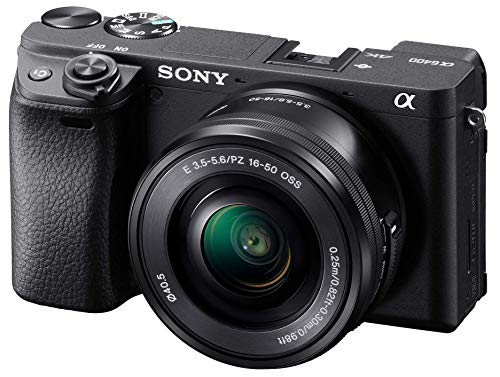
Sony Alpha a6400 with 16-50mm Lens
Best for: fast autofocus and 4K video
- Lens Mount
- Sony E-Mount (what this guide is about)
- Burst Shooting Speed
- Up to 11 fps
- Autofocus System
- 425 phase / 425 contrast points
- Video Resolution
- 4K
- Sensor Format
- APS-C
- Included Lens
- 16-50mm Lens
View on Amazon: Sony Alpha a6400 with 16-50mm Lens Affiliate link
The Sony a6400 is a compact APS-C camera with a 20.1MP sensor and 4K video capability. It features 425 autofocus points for fast tracking and shoots at 11 fps. The tiltable LCD screen helps with vlogging. It includes a 16-50mm lens and uses the Sony E-Mount system. This setup suits shooters who need portability without sacrificing autofocus speed or video quality.
Pros
- 425 phase and contrast detection autofocus points
- 11 fps continuous shooting speed
- 4K video recording resolution
- Tiltable LCD screen for flexible angles
Cons
- 20.1MP resolution is lower than newer models
- Includes only a basic 16-50mm kit lens
- Uses micro USB cable for charging
Good fit if
- You need fast autofocus for moving subjects
- You shoot 4K video and vlogs
- You prefer a lightweight APS-C system
Skip if
- You require full-frame sensor images
- You need high-resolution still photography
- You want a modern USB-C charging port
Verdict: Sony a6400 APS-C Mirrorless Camera offers reliable speed and video features in a small body, making it a solid choice for content creators and hybrid shooters who prioritize autofocus performance over maximum resolution.

Nikon Z 9 Full-Frame 45.7MP Camera Body
Best for: Professional sports and wildlife photography
- Lens Mount
- Nikon Z Mount (what this guide is about)
- Sensor Format
- FX-Format
- Sensor Resolution
- 45.7MP
- Burst Shooting Speed
- 120 fps
- Video Resolution
- 8K/30p
- Image Processor
- EXPEED 7
View on Amazon: Nikon Z 9 Full-Frame 45.7MP Camera Body Affiliate link
The Nikon Z 9 is a high-end FX-format mirrorless camera designed for speed and resolution. It features a 45.7MP stacked CMOS sensor and EXPEED 7 processor. You can shoot 45.7MP stills at 20 or 30 fps, or 120 fps at 11MP. It records 8K/30p video in-camera. This body-only model suits professionals needing fast autofocus and high burst rates.
Pros
- 45.7MP Stacked CMOS sensor for high resolution
- 120 fps burst shooting at 11MP resolution
- In-camera 8K/30p video recording capability
- Subject detection for people, animals, and vehicles
Cons
- Heavy at 5.4 pounds for handheld use
- Large dimensions at 5.89 x 3.56 x 5.87 inches
- Body only configuration requires separate lens purchase
Good fit if
- You need high-speed burst shooting for sports or wildlife
- You require 8K video recording without external recorders
- You shoot in Nikon Z mount lens ecosystem
Skip if
- You prioritize a compact and lightweight camera body
- You want a complete kit with lens included
- You prefer APS-C sensor size for portability
Verdict: Nikon Z 9 FX-Format Mirrorless Camera delivers professional-grade speed and resolution for serious photographers. It fits users who need robust 8K video and high burst rates in a Nikon Z mount system.
Specifications side by side
| Spec | Sony Alpha a6400 with 16-50mm Lens | Nikon Z 9 Full-Frame 45.7MP Camera Body |
|---|---|---|
| Sensor Format | not stated | FX-Format |
| Sensor Resolution | not stated | 45.7MP |
| Burst Shooting Speed | Up to 11 fps | 120 fps |
| Autofocus System | 425 phase / 425 contrast points | not stated |
| Video Resolution | 4K | 8K/30p |
| Image Processor | not stated | EXPEED 7 |
| Configuration | not stated | Body Only |
| Included Lens | 16-50mm Lens | not stated |
| Color | Black | Black |
| Focal Length | 50mm | not stated |
| Lens Mount | Sony E-Mount | Nikon Z Mount |
| Focus Type | Autofocus | not stated |
| Dimensions | 6.2 × 9.2 × 4.55 inches | 5.87 × 5.89 × 3.56 inches |
| Weight | 1.14 pounds | 5.4 pounds |
| Size | 6.2 x 9.2 x 4.55 inches | Compact |
| Model | ILCE6400L/B | Z 9 |
Frequently asked questions
Which system is better for video work?
The Sony a6400 is a strong choice for video creators. It records 4K video and features fast autofocus. The included 16-50mm lens provides a versatile focal length. This makes it suitable for hybrid shooters who need reliable speed in a small body.
How do the camera weights compare?
Weight differences are significant between these two models. The Sony a6400 weighs just 10.3 ounces. The Nikon Z 9 is much heavier at 5.4 pounds. You should consider portability if you plan to carry your gear for long periods.
What lens mount do these cameras use?
Each brand uses its proprietary lens mount system. The Sony a6400 uses the Sony E-Mount. The Nikon Z 9 uses the Nikon Z Mount. You must choose lenses that match your specific camera body to ensure proper functionality and communication.
Are these cameras good for sports photography?
The Nikon Z 9 is designed for professional sports and wildlife photography. It delivers professional-grade speed and high resolution. The Sony a6400 also offers fast autofocus and 11 fps shooting. Both systems support high-speed shooting, but the Z 9 targets serious professionals.
Which camera is more compact?
The Sony a6400 is notably more compact. Its dimensions are 6.2 x 9.2 x 4.55 inches. The Nikon Z 9 measures 5.87 x 5.89 x 3.56 inches but is much denser. The Sony option is easier to fit into smaller bags.
Does the Sony kit include a lens?
Yes, the Sony Alpha a6400 comes with a 16-50mm lens included. This provides an immediate starting point for shooting. The Nikon Z 9 is listed as a body-only configuration. You will need to purchase a separate lens for the Nikon system.